
How ACL Injury Symptoms Start and What It Feels Like
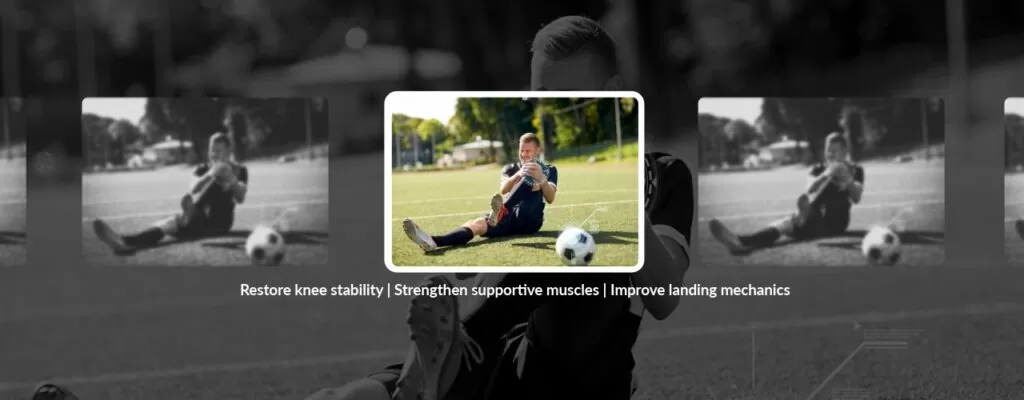
The anterior cruciate ligament (ACL) is one of the key stabilizers of your knee. It helps keep your shinbone from sliding too far forward and supports twisting or pivoting movements. When injured, the pain and instability can be sudden and severe, and recovery can take time. At Carolina Prime Physical Therapy, we’ve found that many of our patients have several questions about ACL injury symptoms and rehabilitation. Let’s dive into them now!
Answering Your ACL Injury Questions
Why Is the ACL Important?
The ACL (anterior cruciate ligament) connects the thigh bone to the shin bone inside the knee. It provides crucial stability, especially during activities that involve cutting, jumping, or quick direction changes.
When the ACL is overstretched or torn, the knee becomes unstable, making it hard to perform movements that require control or balance.
How Do ACL Injuries Happen?
ACL injuries usually occur during sports or activities that involve sudden stops, twisting, or pivoting, such as soccer, basketball, football, or skiing. They can also happen when landing awkwardly from a jump or from a direct blow to the knee.
Most tears are non-contact injuries, meaning they occur without being hit by another player. Instead, they happen when your foot is planted, and the knee rotates suddenly.
How Do ACL Injury Symptoms Start?
Unlike some minor sprains or strains, ACL injury symptoms typically start immediately. Pain may ease slightly after the initial injury, but the instability remains noticeable, especially when trying to walk or pivot. Many people describe an ACL tear as an immediate, unmistakable sensation. Common signs include:
- A loud “pop” or snapping sound inside the knee
- Sharp, sudden pain right after the injury
- Immediate swelling within the first few hours
- A feeling that the knee is giving out or can’t support your weight
Can I Still Walk on a Torn ACL?
In some cases, yes, although it’s not recommended. The pain and swelling may subside enough for someone to walk carefully on level ground, but activities that require pivoting or turning will likely cause the knee to give out.
Walking on an injured ACL without treatment can worsen the damage and affect surrounding structures, such as the meniscus or cartilage.
How Can You Tell the Severity of an ACL Tear?
Any damage to the ligament will cause ACL injury symptoms, but there are three grades:
- A Grade 1 tear means the ligament is stretched but not torn. Pain is milder, and you may still be able to move the knee.
- A Grade 2 tear is a partial tear that causes moderate pain, swelling, and limited stability.
- A Grade 3 tear is a complete tear leading to significant pain, immediate swelling, and noticeable knee instability.
What Happens If an ACL Injury Is Left Untreated?
Leaving an ACL tear untreated can lead to long-term problems such as:
- Repeated episodes of the knee giving out
- Damage to the meniscus or cartilage
- Chronic pain and instability
- Early-onset osteoarthritis
Treating an ACL tear depends on the severity of the injury and your activity level. Minor sprains can be managed with physical therapy. More severe tears may require surgery with post-operative rehabilitation, which focuses on rebuilding knee strength, improving balance, and preventing future injuries.
How Does Physical Therapy Help Prevent ACL Re-Injury?
Our physical therapists can design a program that includes:
- Strength training for the quadriceps, hamstrings, and hips
- Neuromuscular exercises to improve stability
- Jump and landing mechanics to reduce stress on the knee
- Balance training to enhance coordination
These exercises aid recovery and lower the risk of re-injury once you return to sports or daily activities.
Got More Questions? Give Us a Call!
ACL injury symptoms can appear suddenly, but with prompt care and the right treatment plan, recovery is achievable. If you’ve experienced a knee injury that causes pain, swelling, or instability, don’t ignore it. Early evaluation by a physical therapist or orthopedic specialist can make all the difference in your outcome.
With proper rehabilitation, you can rebuild strength, stability, and confidence and get back to moving safely and freely. Schedule an appointment at Carolina Prime Physical Therapy to get started.