
How Physical Therapy Can Help Sports Injuries This Spring
At Carolina Prime Physical Therapy, we are experienced in dealing with all spring sports season injuries and can give you the programs to prepare you for the season and prevent new injuries! Are you looking forward to getting out on the courts? Do you look forward to golf or the start of baseball/softball season?
The winter seasons can be sedentary and lead to more aches, pains, and discomfort than one may think. Fortunately, the warm weather is a great time to get outdoors and play sports.
If you find yourself in pain from a throwing injury or a bad swing of the club or racquet this spring, or you’d like to discuss ways you can get in shape to prevent any injury, don’t hesitate to contact Carolina Prime Physical Therapy.
Whether you are a young athlete or have played sports for decades, our physical therapists know how to treat your injuries and get you back in the game.
Train With Purpose.
Get Real Results.
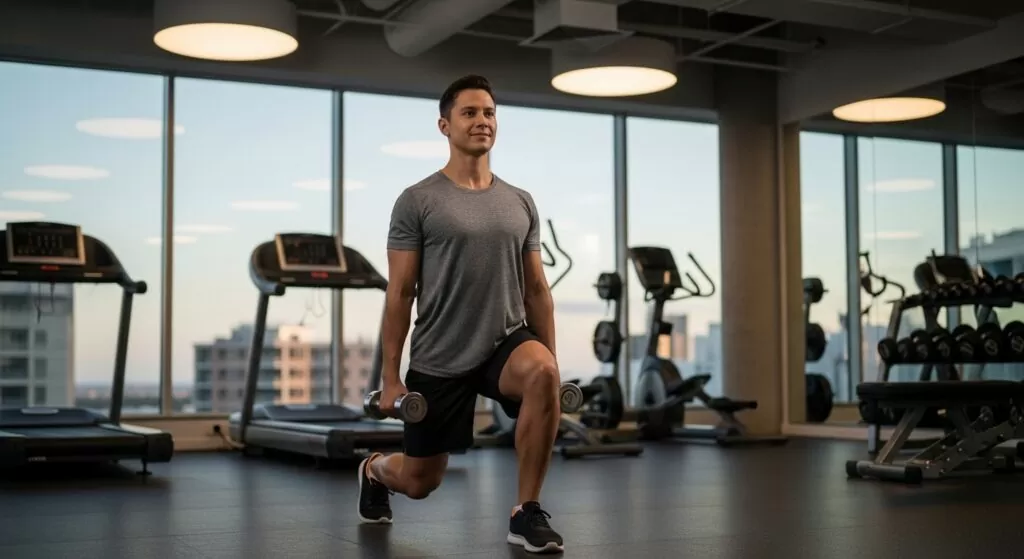
Personal Training is now available at Carolina Prime Physical Therapy.
If you’re ready to get stronger, leaner, and more fit — this is built for you.
This isn’t random workouts or overcrowded gym chaos.
This is structured, progressive strength training inside a professional performance environment you already trust.
Our training programs focus on:
• Building lean muscle and strength
• Improving body composition and fat loss
• Increasing endurance and conditioning
• Core stability and performance
• Measurable weekly progress
Every plan is customized to your goals and your starting point by a trained physical therapy professional and a Certified Personal Trainer.
No guesswork.
No wasted effort.
Just focused, progressive training with real results.
📍 Train inside Carolina Prime Physical Therapy
📞 Call today to schedule your Personal Performance Assessment
🔥 Spots are limited
Common Causes of Sports-Related Injuries
Injuries are a part of sports, but you can resolve them quickly and get back to doing what you love with a proactive approach to rehabilitation. Most athletes learn that taking care of issues when they are small leads to a faster recovery.
Many people think sprains and strains are the same, but they describe damage to different tissues. Tendons are tissues that connect muscles to bones, and ligaments are tissues that connect bones to the bone.
- Sprains occur when a ligament is stretched beyond its limits or torn.
- Strains occur when a tendon is stretched beyond its limits or torn.
Sprains are typically the result of a trauma, a deceleration (slowing down) movement, or a sudden change in direction. The most common symptoms include pain, inflammation, muscle spasm, and sometimes an inability to move the joints where the injury occurred.
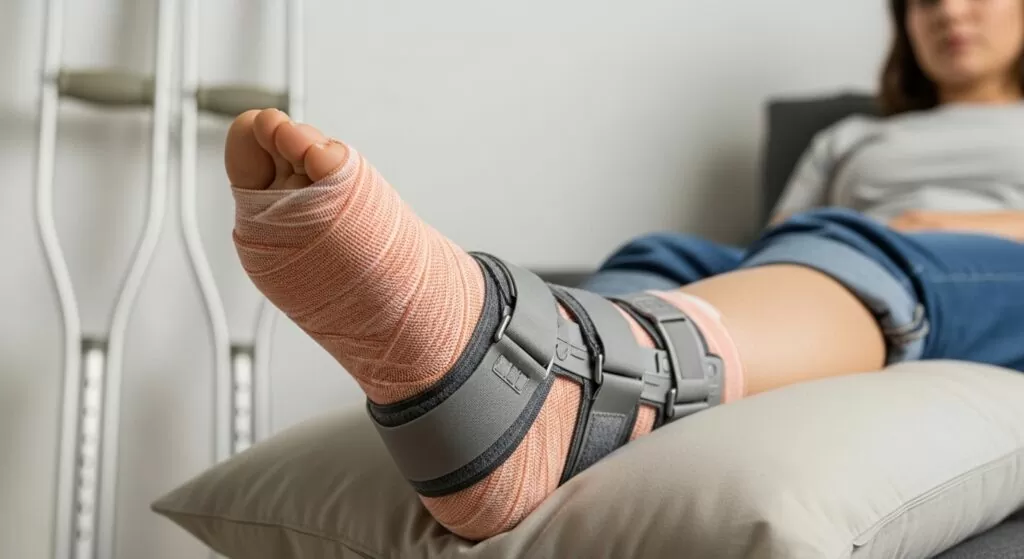
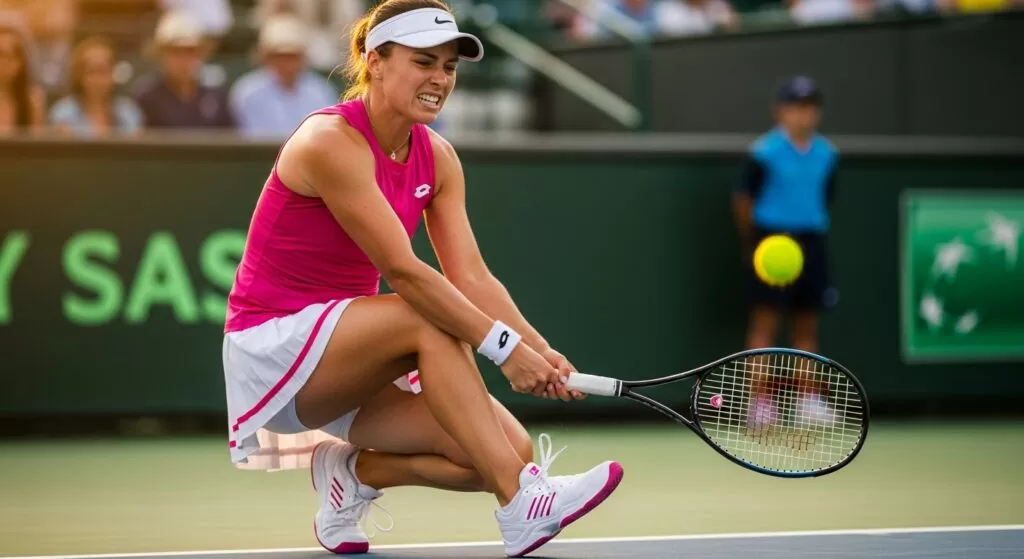
Ankle sprains are often the result of a faulty step while running or stepping on uneven terrain. The injury occurs when the ankle rolls, twists, or turns awkwardly to the outer aspect of the ankle (i.e., lateral ankle sprain). This sudden stretch leads to partial or complete tearing of the ligaments supporting the ankle joint. The severity of the injury will determine the degree of pain, inflammation, and ability to move the joints where the injury occurred.
Approximately 85% of ankle sprains are inversion sprains (i.e., rolling outward). This injury damages the outside (lateral) ligaments and may lead to restrictions on how the joint moves. The joint restrictions will, in turn, affect the athlete’s ability to tolerate running and jumping and may also lead to chronic ankle instability and new injuries that impact an athlete’s ability.
It is important to note that it is in your best interest to have a physical therapist make sure a sprain is fully healed before returning to your normal level of physical activity. Regardless of the type and nature of your sports injuries, our team can help!

What to Expect from Physical Therapy
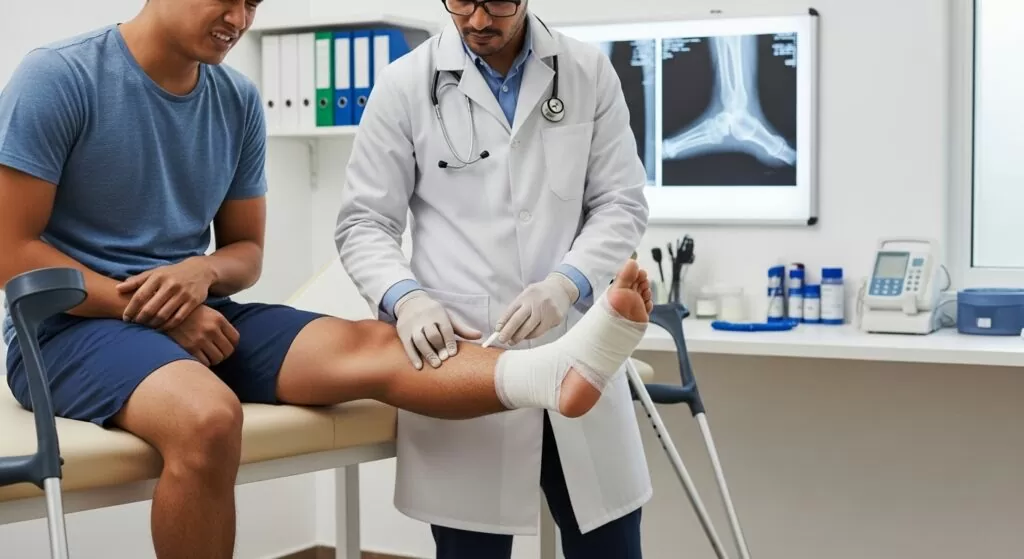
The overall goal of physical therapy is healing and prevention. In addition to treating the injury, our physical therapists will help resolve any pain, restore motion and strengthen the affected area to prevent additional injury.
An effective rehabilitation program depends on a thorough history to understand the exact nature of the injury and the athlete’s goals. We use the information gathered in the initial evaluation to identify the underlying condition and pathology of the symptoms.
The initial stages of physical therapy will focus on restoring any lost motion, reducing the swelling, and using all available treatments to alleviate any pain you may experience.
Your physical therapist will incorporate manual techniques and modalities to reduce pain and inflammation before initiating active rehabilitation. Our programs focus on correcting dysfunction and/or improper technique and equipment.
Dysfunctional movement patterns can last for years, leading to re-injury and other injuries. Our therapists will design a comprehensive program that includes restoring range of motion, strengthening, neuromuscular control, proprioceptive responses, and sports-specific exercises. We will look for any changes in your gait pattern that may make it difficult for you to move around freely.
Our physical therapists will show you therapeutic exercises to address any underlying issue, such as a weakness that may be contributing to altered movement patterns, balance issues, and overall susceptibility to more injuries. We will perform a comprehensive assessment to ensure we provide the tools you need to enjoy the sport you love!
Exercise of the Month
Modified Plank
(Core, Shoulders)
Start by lying face down on the floor. Bring your elbows underneath your shoulders. Lift your hips and torso off the ground, keeping contact with your knees and elbows. Your hips and torso should be as straight as a plank. Hold for 30 seconds. 2 Sets, 2 Reps.
Contact Carolina Prime Physical Therapy To Schedule An Appointment
We will work with you at Carolina Prime Physical Therapy to accommodate your needs by providing the most advanced rehabilitation strategies and injury prevention programming.
For more information, contact us today!
Sources: https://jfootankleres.biomedcentral.com/articles/10.1186/s13047-021-00480-w, https://www.ncbi.nlm.nih.gov/pmc/articles/PMC6602402/, https://www.ncbi.nlm.nih.gov/pmc/articles/PMC3103112/, https://www.jospt.org/doi/full/10.2519/jospt.2018.7426
Healthy Recipe:
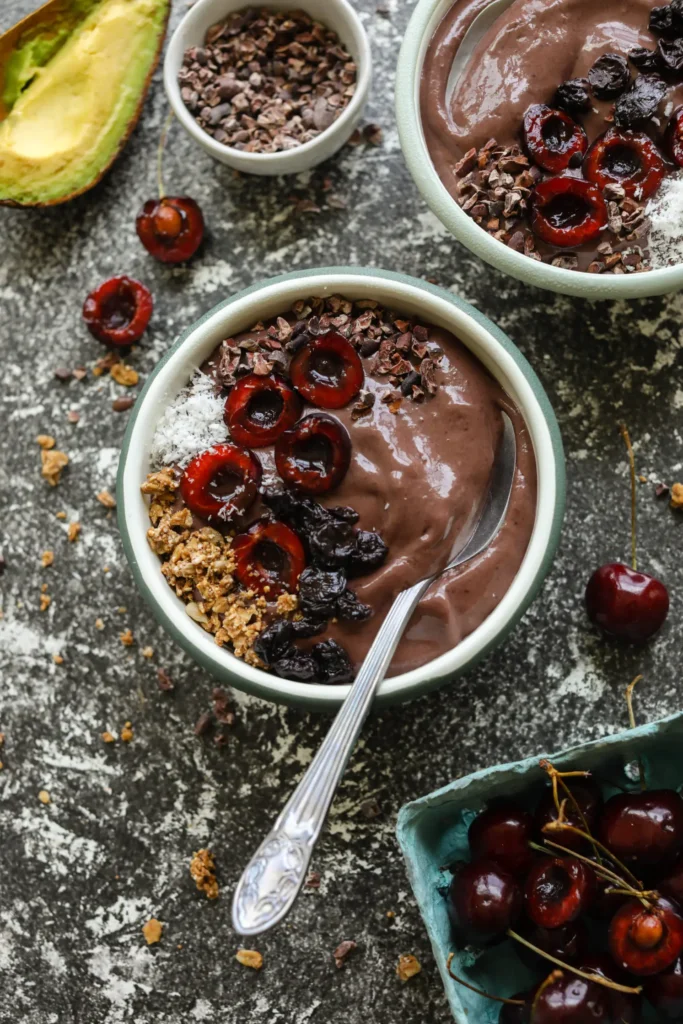
Chocolate Cherry Smoothie Bowl
Indulge in this decadent Chocolate Cherry Smoothie Bowl, where rich raw cacao meets antioxidant-packed cherries and berries for a breakfast that tastes like dessert. This creamy blend isn’t just a sweet treat; it’s a powerful, inflammation-fighting meal that supports your body’s recovery. Load it up with your favorite toppings and enjoy a luxurious, guilt-free way to fuel your day.
Ingredients:
- 1 cup unsweetened almond milk
- 1/2 cup frozen cherries
- 3/4 cup frozen berries (I like strawberries for color and flavor!)
- 1 steamed and frozen beet (optional, but I LOVE the flavor!)
- 1 scoop chocolate protein powder (optional)
- 1 TBSP raw cacao powder
- 1/4 avocado (OR sub 1 TBSP neutral nut butter)
Instructions:
Add the almond milk, frozen cherries, frozen berries, optional chocolate protein powder, cacao powder, and avocado to a high speed blender and process until smooth and creamy, scraping down the sides as needed to recombine.
Transfer to a bowl and top with organic tart cherries, fresh cherries, shredded coconut, cacao nibs, and granola. Serve immediately!
Patient Spotlight
⭐⭐⭐⭐⭐
“Very professional! Therapists are friendly, caring, and very qualified. The facilities are modern and clean. I recommend this place #1.”
Tom C.