
Why Back Pain Often Persists Long After an Injury Heals
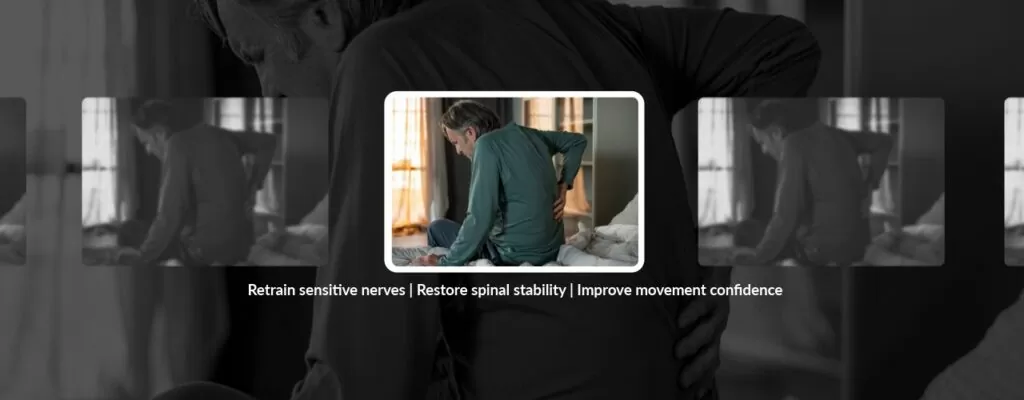
It’s common to expect back pain to fade once an injury heals. However, many people find that their discomfort lingers, even when there’s no longer any damage in their body. This ongoing back pain after an injury often leads to frustration and confusion, especially when rest and medication don’t seem to help.
The truth is, chronic or recurring back pain can be complicated. The first step in understanding it is to clear up common myths and misconceptions, so you can understand what’s really happening in your body. The next step is to visit Carolina Prime Physical Therapy, where we’ll develop a personalized care plan to address your unique needs.
Five Myths About Long-Term Back Pain
Myth #1: Pain Means the Injury Never Healed
Back injuries generally involve damage to the muscle or ligament tissue. As this tissue heals, you can usually expect the pain to fade. However, sometimes the body still sends pain signals even once the damage has been repaired.
Why? Because in some people, the nerves around the injured area can become more sensitive over time. This heightened sensitivity causes the brain to retain memories of pain, even when no tissue damage remains. This is known as central sensitization, and it’s a key reason why back pain can persist after an injury.
Fortunately, physical therapy helps retrain the nervous system by restoring proper movement, improving strength, and teaching the body that motion is safe again.
Myth #2: Rest Is the Best Cure for Lingering Back Pain
After an injury, short-term rest allows inflammation to subside; however, staying inactive for too long can weaken the muscles that support the spine. Weakness leads to stiffness and poor posture, both of which place even more stress on the back.
Instead of total rest, aim for early, targeted movement to promote healing and reduce the risk of chronic pain. Our physical therapists can teach safe, progressive exercises that support recovery without overloading healing tissues.
Myth #3: If Imaging Looks Normal, the Pain Is All in Your Head
Diagnostic imaging often fails to capture subtle issues, such as muscle imbalance, joint stiffness, or nerve irritation, all of which can contribute to back pain after an injury. In fact, many people without pain show abnormal findings on scans, while others with significant pain have normal imaging results.
That’s why a thorough physical exam is just as important as diagnostic imaging. Our physical therapists evaluate how the spine moves, how muscles coordinate, and how posture or habits contribute to discomfort. Addressing these factors leads to real, lasting improvement.
Myth #4: Back Pain After an Injury Means You’ll Always Have a Weak Back
Persistent pain doesn’t mean your back is permanently fragile, just that it needs retraining. Strengthening and movement retraining restore stability and resilience. In fact, many people emerge from physical therapy with stronger, more mobile backs than before their injury.
Learning proper body mechanics, such as how to lift, twist, and move efficiently, helps protect the spine and reduce flare-ups. The goal isn’t just to eliminate pain but to build long-term confidence in movement.
Myth #5: Pain Relievers Are Your Only Solution
Pain relievers and anti-inflammatories can temporarily ease discomfort, but they don’t fix the underlying movement or muscle issues. Long-term recovery depends on improving posture, balance, and body awareness.
Physical therapy combines hands-on care, exercise, and education to treat the source of pain, helping you move better and rely less on medication over time.
When to Seek Help for Back Pain After an Injury
You should schedule an appointment at Carolina Prime Physical Therapy if you experience the following:
- Pain lasts more than a few weeks
- Stiffness or weakness that limits activity
- Pain worsens with rest or inactivity
- New numbness or tingling, including in the arms and legs
Our team can assess whether your lingering pain is from soft tissue tightness, nerve sensitivity, or muscle weakness and design a customized program to address it.
Carolina Prime Physical Therapy is Here to Help with Lingering Back Pain
Persistent back pain after an injury doesn’t mean your body failed to heal, just that your body needs retraining and support. Movement, not rest, is often the key to breaking the pain cycle.
If you’re dealing with long-term back pain, contact Carolina Prime Physical Therapy to schedule your initial evaluation and start moving toward long-lasting relief.