
What Inner Ear Problems Mean for Your Balance
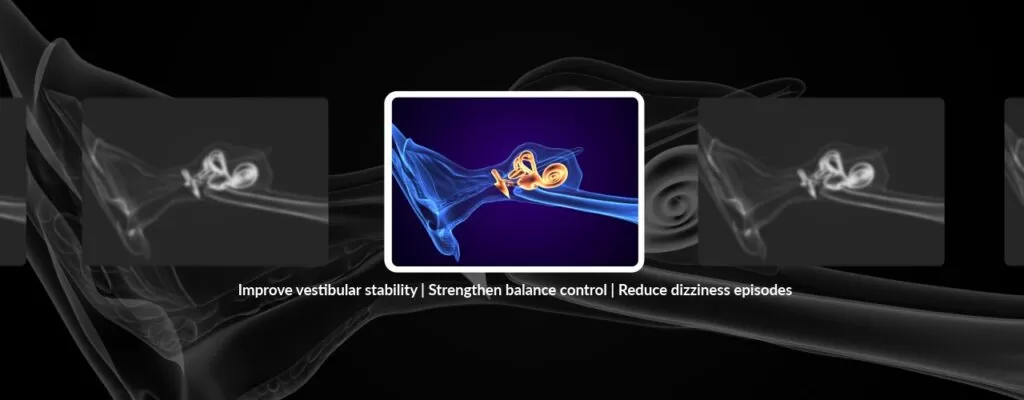
The inner ear plays a powerful role in how the body maintains balance. When inner ear balance problems develop, many people notice dizziness, unsteadiness, or a spinning sensation that disrupts daily life. The inner ear contains structures that detect motion and position. When these structures send mixed signals to the brain, confusion occurs between what the eyes see and what the body feels, leading to poor balance and instability.
There is good news, though: the team at Carolina Prime Physical Therapy can help you manage these symptoms, improve your balance, and reduce your fall risk.
The Connection Between the Inner Ear and Balance
Your inner ear contains part of your body’s vestibular system, which is your body’s internal balance center. This system consists of tiny fluid-filled canals and sensory hair cells that detect head movement and position. When you move your head, the fluid shifts, sending signals about direction and motion to the brain.
The brain combines this information with input from your eyes and muscles to help you stay upright and steady. But when something disrupts this system, the messages to the brain become unclear. The brain then struggles to match what the eyes see with what the body feels, which leads to dizziness, vertigo, and other inner ear balance problems.
What Causes Inner Ear Balance Problems?
Several conditions can interfere with the inner ear’s ability to send accurate balance information to the brain. Common causes include:
BPPV (Benign Paroxysmal Positional Vertigo)
- Small calcium crystals in the inner ear shift out of place, triggering dizziness with head movement.
Vestibular Neuritis or Labyrinthitis
- Viral infections that inflame the inner ear or its nerves, leading to sudden imbalance or vertigo.
Meniere’s Disease
- Fluid buildup in the inner ear that causes episodes of vertigo, hearing loss, and ringing in the ears.
Age-Related Changes
- The balance system naturally weakens over time, making older adults more prone to falls.
Common Symptoms of Inner Ear Balance Problems
Inner ear conditions affect more than just balance. They can also cause:
- Dizziness or vertigo (spinning sensation)
- Unsteadiness when walking
- Lightheadedness or feeling faint
- Blurred vision when moving
- Nausea or vomiting
- Difficulty focusing or concentrating
If these symptoms last longer than a few days or interfere with normal activity, it’s important to seek care. If left untreated, persistent dizziness or imbalance can increase the risk of falls and injuries.
How Physical Therapy Helps Restore Balance
Our physical therapists can help address various balance challenges, including those stemming from vestibular dysfunction. We start by performing a detailed balance and movement assessment. Based on findings, we design a personalized plan that may include:
- Mobility work, including hands-on manual therapy and guided mobility exercises, to improve ease of movement
- Balance and gait training to build coordination and confidence while walking on various surfaces
- Targeted strength training, particularly in the core and lower body, to help support balance
Physical therapy plays a vital role in reducing dizziness and improving function for people with inner ear balance problems. These exercises are safe, targeted, and tailored to each patient’s condition and comfort level.
What to Expect From Your Recovery
Improvement depends on the cause and severity of the condition, but many people experience significant relief after just a few sessions. The key is consistency. Performing guided exercises at home and attending scheduled therapy sessions helps accelerate progress.
Regain Confidence in Your Balance
If you often feel dizzy, lightheaded, or unsteady, your inner ear may be the cause. You don’t have to accept constant imbalance or fear of falling. Physical therapy at Carolina Prime Physical Therapy can help identify the root of your inner ear balance problems and create a plan to restore your stability and confidence.
Schedule an appointment at our North Wilkesboro, NC clinic to learn how balance therapy can help you move comfortably and safely again.