

Stop It Before It Starts: Simple Tips to Prevent Shoulder Pain
If you’ve ever suffered a shoulder injury, then you know how debilitating it can be. Not only are you experiencing persistent pain, but most shoulder injuries also restrict the range of motion in the joint, making day-to-day tasks — from grabbing a cup off the high shelf to brushing your hair — feel nearly impossible.
At Carolina Prime Physical Therapy, our team of physical therapists will work with you to identify and resolve the underlying causes of your shoulder pain. We offer acute pain relief and can guide you through a complete shoulder rehabilitation regardless of whether or not you require surgery — and often, you can resolve a shoulder injury with physical therapy alone!
But that process can take a while, and we want to help you avoid shoulder injuries, too. While we do incorporate injury prevention information into our rehab programs, it’s never a bad time to start incorporating small changes into your routine that can help prevent shoulder pain.
If you’d like to learn more about how we help prevent and alleviate shoulder pain, call us to schedule an appointment today!
What Causes Shoulder Pain and Injury, Anyway?
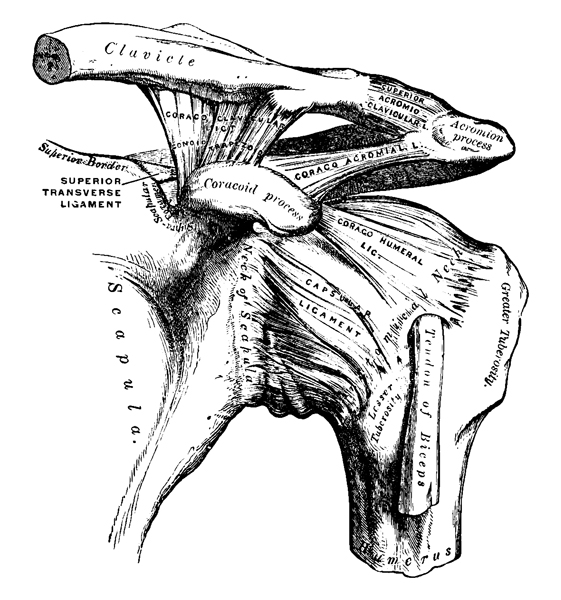
Your shoulder is an incredibly complex ball-and-socket joint with several moving parts, including:
- Three separate bones: the humerus (arm bone), scapula (shoulder blade), and clavicle (collarbone)
- Cartilage that wraps and protects these bones from rubbing against each other
- Three main ligaments that connect your shoulder’s bones
- A collection of muscles and tendons known as the rotator cuff that wrap and support the shoulder joint
- Bursae: small fluid-filled sacs that protect your tendons
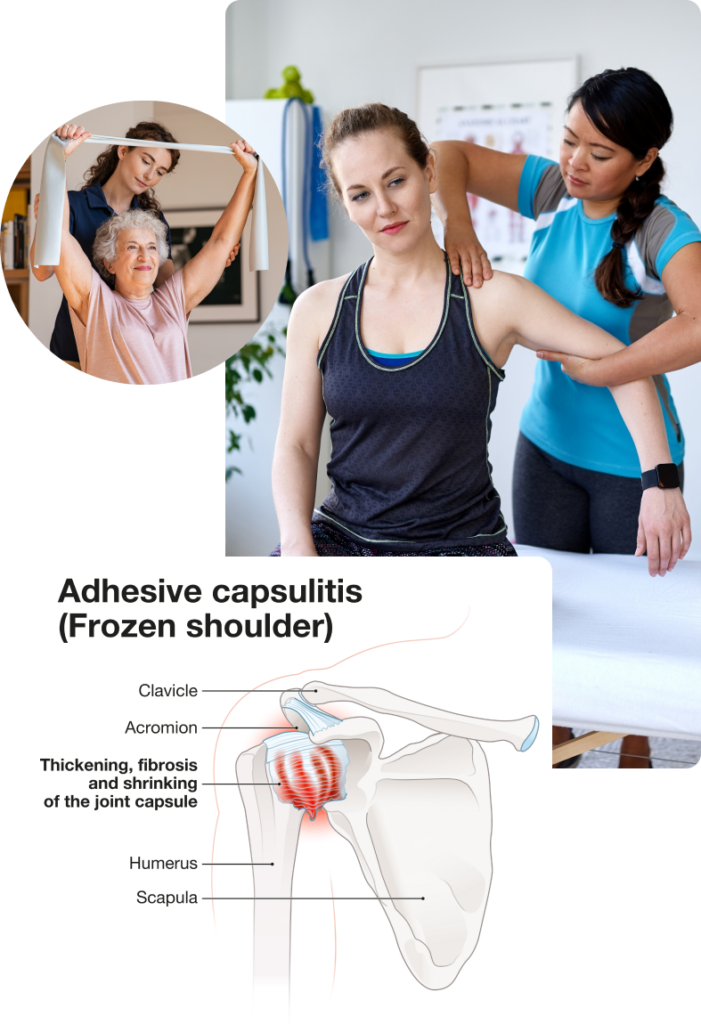
Damaging any of these structures can lead to shoulder pain, weakness, and immobility. Some people injure their shoulders through sudden, acute injuries, especially if they’re active — a hard fall on the football field could tear your rotator cuff or dislocate the arm bone out of your shoulder socket.
However, many shoulder injuries are actually overuse injuries, meaning the pain and immobility symptoms occur due to repeated micro-injuries in your shoulder’s tissue. Often, sports-related shoulder injuries are actually due to overuse, as repeated overhead motions (such as throwing a ball or certain swimming strokes) put stress on the shoulder joint, leading to symptoms.
Using improper form can also contribute to overuse injuries, as can having improper posture — a weak upper back strains your shoulder muscles, making them do more work than needed.
Preventing shoulder pain is really about preventing these overuse injuries. By making small changes, you can keep your shoulders strong, healthy, and pain-free!
Five Ways You Can Help Prevent Shoulder Pain
- Strengthen your upper body: Strong upper back and shoulder muscles are better able to provide the shoulder joint with the support and stability it needs, meaning you’ll be less likely to suffer an injury. Not sure how to get started? Our PTs can walk you through some appropriate exercises.
- Keep your mobility: We can show you simple range of motion exercises that will get the blood flowing to your joints, keeping them healthy. Reaching overhead, across your body, or behind your back are all basic stretches that can do wonders — just make sure you never force a movement!
- Don’t forget to warm up first: Many popular recreational activities put you at risk for a shoulder injury, including swimming, pickleball, and tennis. It’s crucial that you warm up your shoulder before you dive in. Try some quick cardio paired with active shoulder stretches (like arm circles).
- Maintain proper posture: Proper posture isn’t about standing up straight all the time; it’s about maintaining postural awareness and keeping your spine in alignment no matter what you’re doing. And if you have a sedentary job, move around regularly. Both habits will help keep your upper back and shoulder strong.
- Pay attention to ergonomics. If your workspace isn’t shoulder-friendly, you might wind up with an overuse injury. Simple changes — like adjusting the height of your computer monitor or maintaining good posture when using hand tools — will reduce repetitive stress and lower your chances of developing shoulder pain.
Sources:
https://www.ncbi.nlm.nih.gov/books/NBK554693
https://www.physio-pedia.com/Evidence_Based_Interventions_for_Shoulder_Pain
Exercise of the Month
Shoulder Rotations
Start by standing up straight with your arms by your sides. Raise both arms up so your elbows and armpits are at 90-degree angles with your forearms aiming straight up to the sides of your head. Your upper arms should be parallel with the floor and perpendicular to your body. Rotate your forearms down toward the floor, keeping your elbows where they are. Your palms should be facing behind you at the bottom. Rotate back up. 3 sets, 10 reps, hold.


Feel Better by Eating Better!
Apple Pie Chia Smoothie
Ingredients:
- 1 apple cut into small pieces
- 1 cup almond milk
- 2 tablespoons chia seeds
- 1 tablespoon maple syrup
- ½ teaspoon vanilla extract
- ½ teaspoon cinnamon
- pinch nutmeg and salt
Directions:
Blend all ingredients until smooth; add ice if desired.
Yes, this actually tastes like pie! So drink this instead and save yourself a ton of calories. The chia seeds have plenty of fiber and protein to keep you full until lunch.
Our Patients Get Great Results!
Audrey B.
“I struggled for over a year with severe pelvic pain. After an erroneous endometriosis diagnosis and a witch-hunt of a hysterectomy at 27 years old, I was left wondering if I would ever find relief…then entered Heather Forrest!
From my first appointment, Heather proved compassionate and highly educated. While her credentials on paper speak for themselves, upon meeting with her, it was immediately clear to me that she actively listens to her patients and takes her commitment to continuous professional education very seriously for their sake.
PT requires you to devote time to form habits of self-care outside of regular appointments; there were times during my treatment when “life got in the way,” and I regressed due to my inaction. During these times, Heather was incredibly encouraging and motivated me to prioritize the time needed for my health.
Overall, I credit Heather for giving me the care and tools I needed to reclaim a high quality of life and pelvic health. If you’re reading this, I highly recommend you book an appointment with Heather – she is a lifesaver!”
Cherry R.
“About two years ago I had an MRI on my back and was told it was a matter of time until I would lose use of my legs and be wearing diapers. The neurologist said PT ‘might’ help. Thankfully my Wilkes doctor referred me to Carolina Prime where I work with two therapists on a regular basis—one for my back and the other for my pelvic floor. In addition to extreme back pain, I was dealing with numbness across my pelvic floor and down one leg, incontinence, and frequent urination (10 or more trips to the bathroom in 24 hours which greatly impacted my sleep). I was nervous about getting too far from a bathroom. With therapy and my at-home assignments (not always as diligent as I could be) my pain has gone from maybe a 6 or 7 or even more at times to a 2, incontinence is minimal and I finally have 0 numbness. I’m nearing 70 and will go to Carolina Prime until they kick me out.”
Need A Little Help? We’ve Got You
The Carolina Prime Physical Therapy physical therapists can help you prevent shoulder injuries as easily as we can treat them! Whether you’re looking for a shoulder stretch and strengthen routine, postural corrections, or some simple ergonomic adjustments, we’re for you.
Meet Our Team

Scott Forrest
Owner, PT, COMT

Heather Forrest
Owner, PTA, OTR/L, PRPC

Elizabeth Anderson
PT, DPT

Will Altemueller
PT, DPT

How Nutrition Can Help Improve Bone Health
When it comes to improving bone health and density, most people immediately think of resistance training and weight-bearing exercise. But did you know nutrition also plays a key role?
Certain nutrients, including calcium, vitamin D, protein, and more, all contribute to building strong, healthy bones. Eating a diverse diet rich in fruits and vegetables is one of the best ways to ensure you get the nutrients you need. Here are some suggestions to get you started.
Calcium
- Dairy like milk, cheese, and yogurt
- Leafy greens like collards, turnip greens, and kale
- Broccoli and okra
Vitamin D
- Certain types of fish, including salmon and tuna
- Foods that have been fortified with vitamin D (like milk–get your calcium and vitamin D in one go)
Protein
- Nuts, seeds, and legumes
- Fish and chicken
- Dairy products
- Whole grains
Older people sometimes struggle to get the nutrients they need because their appetites decrease. Putting a little more thought into your meal planning can ensure you’re getting everything you require.
The physical therapists at Carolina Prime Physical Therapy can provide additional guidance on the lifestyle factors that promote good bone health. Schedule an appointment to get started.